
Perhaps one positive thing to come out of this year is that more companies are publicly committing to address racial inequality in their organizations.
They’ve got a long way to go.
That’s especially evident at the top leadership levels, where 85% of executives are white, Mercer found in a 2020 survey of 1,150 companies. And women of color can expect an even steeper climb — only 13% of the companies surveyed said they offer career programs to elevate that group.
BY THE NUMBERS
42%
U.S. organizations that have publicly committed to racial/ethnic equality
13%
Respondents that offer programs specifically aimed at women of color
66%
U.S. organizations that say they track racial/ethnic representation
53%
Respondents that track hiring, promotion and retention rates by race/ethnicity
23%
U.S. organizations that review their own performance ratings by race/ethnicity
38%
Respondents that regularly check employee engagement by race/ethnicity
23%
U.S. organizations with high-potential career programs for people of color
Make the effort: What your organization should do
We reached out to staffing and recruiting experts from our Lists to learn the additional moves companies can make to find and hire more diverse talent for their upper ranks.
Divina Gamble, senior client partner with Korn Ferry and the managing partner of its D.C. office, said that placing people of color into leadership positions is just one of many necessary actions to create a true culture of equality in the workplace. “Being passionate about local, national and global issues, without understanding the intersectionality of racial discrimination and systems of power, limits the ability to create true transformational change and sustainable impact,” she said.
Gamble shared the steps her organization recommends taking in any search process:
- Ensure a diversity of viewpoints are collected during the stakeholder solicitation process and that there is a feedback loop to let stakeholders know they were heard and that the decision-makers and search firm are dedicated to identifying a leader who genuinely values racial equity and racial justice. The stakeholder solicitation process can include interviewing decision-makers, direct reports, peers and external partners.
- Develop a slate of candidates who demonstrate a deep understanding and commitment to racial equity and social justice issues.
- Calibrate candidates with the decision-makers and share evidence of the candidates’ alignment to this requirement during regular updates. The process involves sharing backgrounds of potential candidates to get a clearer picture on the desired profile and the “must haves” for the hire.
- Conduct media, video, and social media scrubs to understand candidates’ public views, statements, posts and positions around racial equity.
- Conduct reference checks, both on and off the record, to further validate a candidate’s commitment to these issues.
- Provide the key decision-makers with customized interview guides, which include questions to enable them to hear the candidates address these issues firsthand. Examples of these questions include:
• How do you see a racial justice and racial equity lens being critical to our business and work?
• How has it been important to your previous work?
• How do you see yourself contributing to advancing racial and other types of equity in our organization and in the broader community?
• How have you demonstrated a commitment to diversity, equity and inclusion in your management?
• Give an example when you’ve been a champion for racial equity and justice.
• When were you not a champion and what did you learn in retrospect?
• How would you define racial justice? Racial equity?
• What experiences do you have with efforts to advance racial or other types of equity and inclusion at an organizational level? What were some of the key challenges you encountered and what did you learn?
• Have you ever approached, or how might you approach, doing an internal assessment that identifies and addresses discrimination of all kinds, especially racism?
From Debbie Tang at Bridge Partners
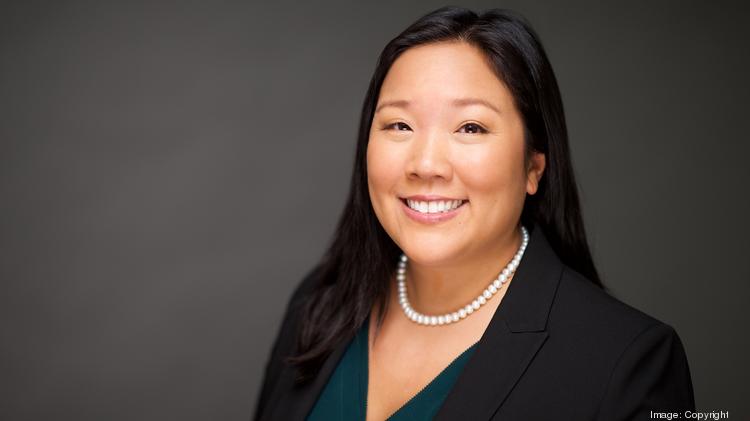
What are some of the best practices companies can start incorporating this year to diversify their leadership teams: Hiring a minority-owned executive search firm that specializes in an inclusive process is one way to increase diversity. But you also need to take a hard look at hiring/succession criteria for roles in order to find ways to expand the potential pool. By separating the must-have experiences/skills from the “like to have,” you may find there are more candidates who have the requisite must-have skills, but who may not be in the exact mold you have traditionally selected. Think additively about hiring and wean yourself away from “fit.” Focusing on “fit” can steer hiring managers toward who they like and are similar to. Instead think about: Does this candidate bring experience to the table that is different from who is already here or that we’re missing or that we need?
Where else to turn?
Our experts suggested other resources to help you reach more diverse candidates. First, look internally. Your own organization can form employee resource groups to help each other with mentoring, advancing careers and support. These groups can also share what needs and ideas they may have with top management.
Full Article Here: https://www.bizjournals.com/washington/news/2020/10/16/staffing-expert-advice-diversify-leadership.html?ana=e_me_prem&j=90533213&t=Morning&mkt_tok=eyJpIjoiWlRNeU56bGlNMkZrWlRZeiIsInQiOiJRUlZaQklQUFc4SjFOZkIzWk0wZFJLbjFWNDBPa25qUmxYXC9TRUhBelRsblwvSVhUdEtNSUNYTHAxeTBCa01RRzZQd2dMbmVkTXRjTEVzakhWYjJrRGRCRngrSkZyWjFDZlI4Q1VIWGlpalRyUkhyTEdUVyt3cFlJeVlPOWlzQWkycWZMY3lreGtSWXk5QkhLZ3RxczU1UT09In0%3D
